Source Flexible Fireproof Stone Slab for Schools, Kitchens, Commercial
Compare 30 listings for flexible fireproof stone slab from verified manufacturers. Evaluate specifications like thickness, weight, and fire ratings for indoor and outdoor applications in schools, kitchens, and commercial spaces.
Key considerations
Products List




Comprehensive Sourcing Guide
Flexible Fireproof Stone Slab Sourcing Guide
Procuring flexible fireproof stone slabs requires a nuanced understanding of material composition, as these products are often composite panels rather than solid natural stone. Buyers must distinguish between genuine stone veneers and engineered alternatives that mimic stone aesthetics while offering superior flexibility and reduced weight. The core value proposition of these slabs lies in their ability to bend around curves and corners, making them ideal for complex architectural designs where rigid stone would fail. Understanding the specific material blend, typically involving natural stone powder and modified clay or resin, is essential for evaluating durability, aesthetic consistency, and long-term performance in both indoor and outdoor environments.
This guide provides a structured approach to sourcing these specialized building materials, focusing on technical verification, compliance, and commercial due diligence. By adhering to the evidence-based insights provided, procurement teams can mitigate risks associated with quality inconsistencies and supply chain delays. The following sections detail the critical parameters buyers must assess, from thickness variations and surface finishes to certification requirements and payment structures, ensuring a robust and informed purchasing strategy.
Product Scope and Observed Listing Signals
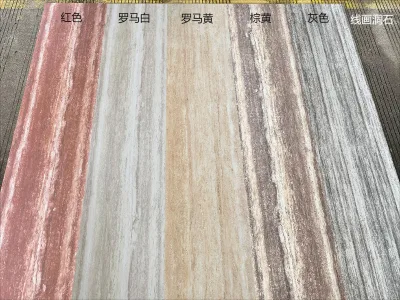
The market for flexible stone products encompasses a variety of models, including those labeled as "Flexible Stone," "Wood Concrete Board," and "Starmoon Stone," indicating a diverse range of aesthetic and functional options available to buyers. Observed listings reveal significant variation in product dimensions, with standard sizes ranging from 600x1200mm to larger formats like 1200x3000mm, catering to different installation scales and design requirements. Buyers should note that while some products are described as having a stone surface texture, the underlying material composition often includes natural stone powder mixed with modified clay, which contributes to the product's lightweight and flexible nature.
Listing signals also highlight key performance characteristics such as fireproofing, waterproofing, and anti-mold properties, which are critical for applications in high-traffic commercial spaces, kitchens, and bathrooms. The observed weight range of 2.5 to 6 kg per square meter suggests a significant advantage over traditional stone, facilitating easier handling and installation. Additionally, the availability of customization options, including cut-to-size services and various surface finishes like matte or flat edges, allows buyers to tailor products to specific project needs. However, buyers must verify these attributes on a per-supplier basis, as not all listed products may satisfy every claimed characteristic.
Technical Specifications to Verify
Thickness is a critical technical parameter that varies across different product lines, with observed ranges spanning from 2mm to 8mm. Buyers must confirm the exact thickness required for their specific application, as thinner slabs may offer greater flexibility but potentially less durability, while thicker options provide more rigidity and a more substantial stone-like feel. The standard thickness of 3mm is commonly cited, but it is essential to verify if this is a fixed specification or a variable option depending on the supplier and product model. Understanding the thickness tolerance is also important for ensuring seamless integration with existing wall systems and adhesives.
Surface finish and edge processing are other vital technical details that impact both aesthetics and installation. Common finishes include matte surfaces, which provide a non-reflective, natural look, while edge processing is typically flat, requiring careful handling during installation to avoid chipping. Buyers should also verify the water absorption rate, with some products claiming less than 0.5%, which is crucial for outdoor applications or wet areas to prevent moisture-related damage. Additionally, the form factor, whether it is a big slab or cut-to-size, affects logistics and on-site handling, so aligning these specifications with the project's logistical capabilities is necessary.
Compliance and Safety Documentation
Fire safety is a primary concern when sourcing flexible stone slabs, with many products claiming Class A fireproof ratings. Buyers must request and verify official test reports from accredited laboratories to confirm these fire resistance claims, as self-declared ratings may not hold up under scrutiny. The presence of certifications such as ISO standards is often mentioned, but buyers should specify which ISO standards are relevant to their project requirements, such as ISO 9001 for quality management or specific product performance standards. Ensuring that the supplier can provide up-to-date and valid certification documents is a non-negotiable step in the procurement process.
Environmental compliance is another key area where documentation is essential. Some products are described as E0 Grade, indicating low formaldehyde emissions, which is important for indoor air quality in schools, offices, and residential spaces. Buyers should ask for Material Safety Data Sheets (MSDS) and environmental product declarations to verify the eco-friendly claims and ensure the materials do not contain harmful substances. Additionally, while CE marking is mentioned in some contexts, buyers should confirm if this certification is applicable and valid for their target market, as regulatory requirements vary significantly by region.
Cost Drivers and Commercial Terms
The price range for flexible stone slabs is observed to be between $2.24 and $50 per unit, reflecting significant variations in material quality, thickness, surface finish, and order volume. Buyers should understand that lower prices may correspond to thinner slabs or standard sizes, while premium finishes, custom dimensions, or thicker options will command higher prices. It is crucial to request detailed quotations that break down costs by size, thickness, and finish to avoid hidden fees and ensure accurate budgeting. Volume discounts are often available, so negotiating based on projected order quantities can lead to substantial cost savings.
Minimum Order Quantities (MOQ) typically range from 10 to 5000 units, depending on the supplier and product customization level. Buyers with smaller project needs may find suppliers with lower MOQs, but these may come with higher per-unit costs. Payment terms are commonly structured as a 40% deposit with the balance 60% paid before loading, which is a standard practice in international trade. Buyers should assess their cash flow implications and consider negotiating more favorable terms if they have a strong purchasing history or large order volumes. Additionally, lead times of 15-30 days or less for smaller orders should be factored into project scheduling to avoid delays.
Supplier Qualification and Quality Control
Supplier qualification begins with verifying their business type, as many manufacturers identify as both manufacturers and exporters, which can simplify communication and reduce intermediary costs. Buyers should conduct due diligence to confirm the supplier's manufacturing capabilities, including their production facilities in regions like Zhejiang or Guangdong in China. Requesting factory audits or virtual tours can provide insights into their quality control processes and production capacity. It is also important to verify the supplier's track record and references from previous clients to ensure reliability and consistency in product quality.
Quality control measures should be clearly defined in the purchase agreement, including inspection protocols for incoming materials and finished products. Buyers should specify acceptable tolerances for dimensions, weight, and surface defects, and request pre-shipment inspections if necessary. The availability of samples is a critical step in the qualification process, allowing buyers to physically assess the product's flexibility, texture, and color consistency. Establishing a clear communication channel for addressing quality issues and defining remedies for non-conforming products is essential for maintaining project integrity.
Long-Term Procurement Checks
Long-term procurement success depends on establishing a robust supply chain relationship that includes regular performance reviews and continuous improvement initiatives. Buyers should monitor supplier performance metrics such as on-time delivery rates, product defect rates, and responsiveness to issues. Regular feedback loops can help identify areas for improvement and strengthen the partnership over time. Additionally, staying informed about industry trends and new product developments can help buyers leverage innovations for future projects, ensuring they remain competitive and efficient.
Risk management strategies should include diversifying suppliers to mitigate the impact of supply chain disruptions or quality issues. Maintaining a list of qualified alternative suppliers can provide flexibility in case of primary supplier failures. Buyers should also regularly review and update their technical specifications and compliance requirements to align with changing regulatory standards and project needs. By proactively managing these aspects, buyers can ensure a stable and reliable supply of flexible fireproof stone slabs for their ongoing procurement needs.
FAQs
What is the material composition of flexible fireproof stone slab?
The material consists of natural stone powder and modified clay. This composite structure provides a lightweight and flexible alternative to solid stone. It allows for easy installation on various surfaces while maintaining the aesthetic appearance of natural stone. The composition ensures durability and resistance to common environmental factors.
Can flexible stone slabs be used for outdoor applications?
Yes, these slabs are suitable for both indoor and outdoor applications. They feature fireproof, waterproof, and anti-mold characteristics. The material is designed to withstand external conditions while maintaining its structural integrity. This versatility makes it ideal for facades, patios, and interior walls alike.
What are the standard specifications for flexible stone products?
Standard specifications include dimensions such as 1200x600mm, 1200x2400mm, and 3200x1180mm. Thickness typically ranges from 2 to 8mm. The weight is approximately 3 to 6 kg per square meter. Customized sizes and forms are also available to meet specific project requirements and design needs.
How difficult is the installation process for these slabs?
The installation difficulty is simple and straightforward. The material is flexible and can be bent to fit curved surfaces. It is lightweight, which reduces handling effort. Most installers can apply the slabs using standard adhesive methods without requiring specialized tools or extensive training for basic applications.
What certifications and standards apply to these stone products?
Products may carry ISO certifications and meet specific fireproof standards. Some variants are classified as Class A fireproof. The material also adheres to environmental standards such as E0 Grade for low formaldehyde emission. Buyers should verify specific certification documents with suppliers for compliance with local building codes.
What is the typical lead time for flexible stone orders?
Delivery time generally ranges from 15 to 30 days. For orders under 1000 square meters, the lead time is approximately 15 days. Larger orders may require negotiation for delivery schedules. Production capacity and current order volume can influence the exact timeline for shipment completion.